Office address: contact us for current location
DEEN DAYAL UPADHYAY YOG SHIKSHAN SANSTHAN

Our View of Yoga

Yoga as practice, philosophy, reflection and a way to cultivate awareness.

PRACTICE & PERSPECTIVE

Yoga is more than physical movement.

Yoga is commonly explored through a combination of posture, breath, attention, ethical reflection and sustained personal practice.

Asana can help learners explore movement and body awareness. Pranayama introduces breathing practices, while meditation invites observation and concentration. Classical philosophical writings provide a broader context for these practices.

A balanced educational approach makes room for questions, respectful instruction and variations suited to individual needs.

Explore learning pathways
Meditation practice in a calm outdoor setting
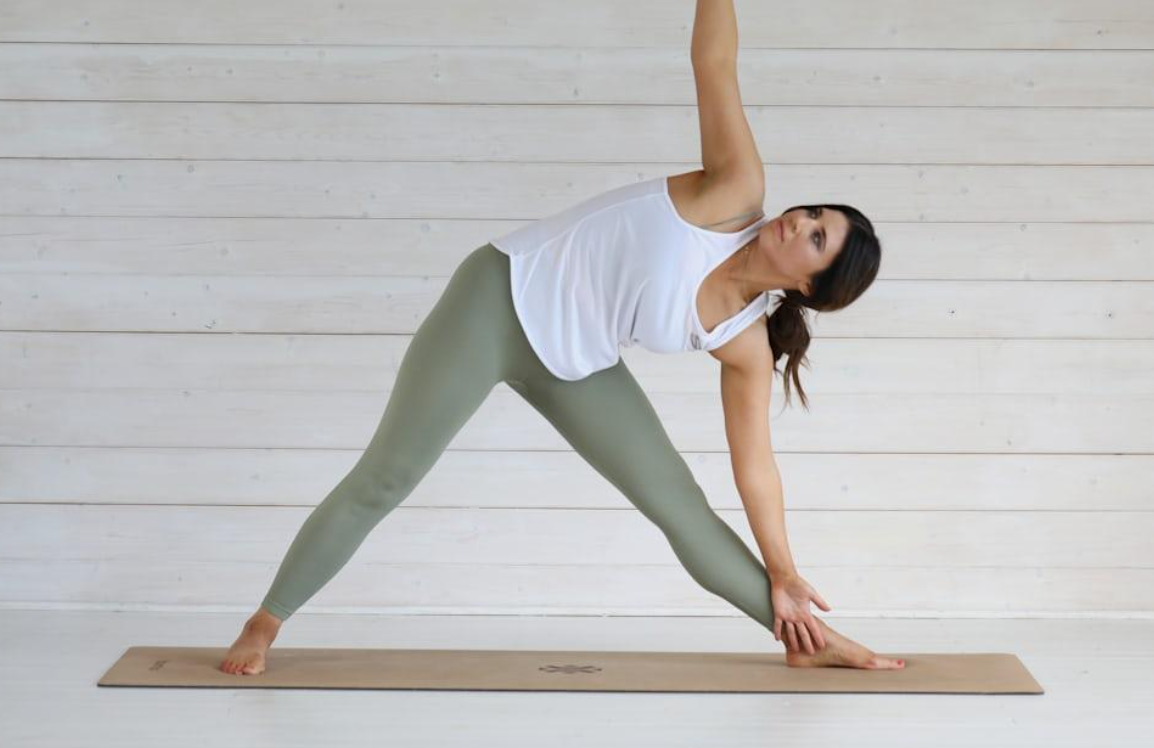
Asana Practice
Yoga posture practice on a mat
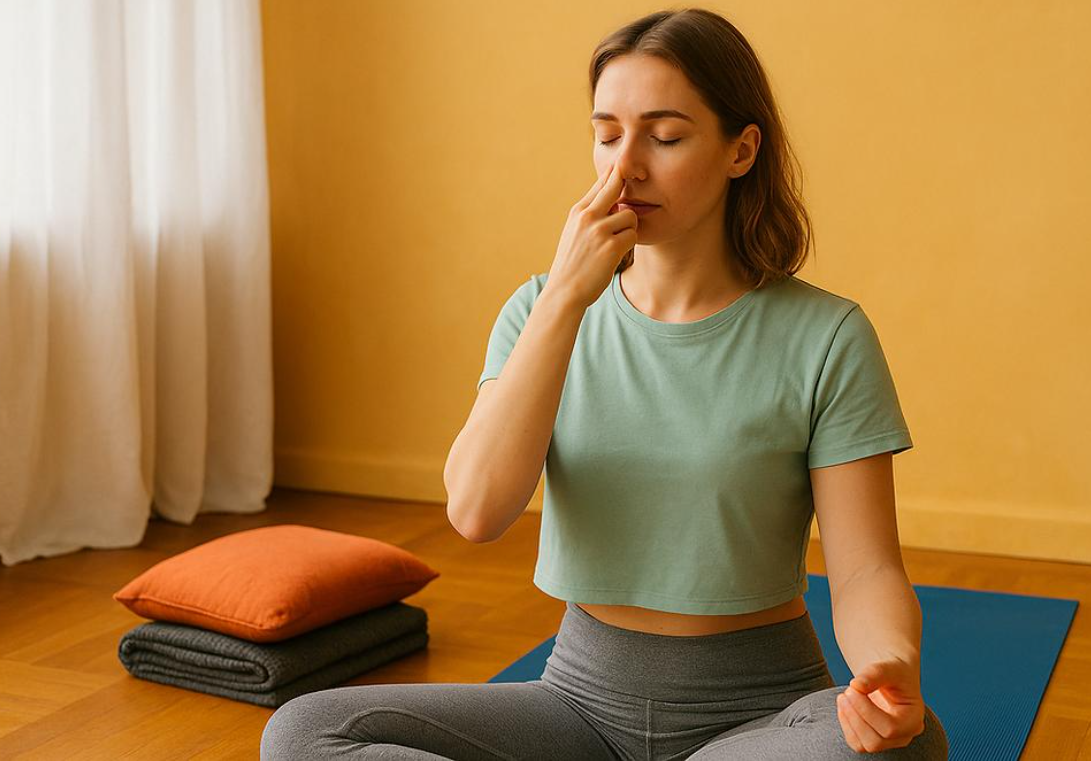
Pranayama
Mindful yoga breathing practice
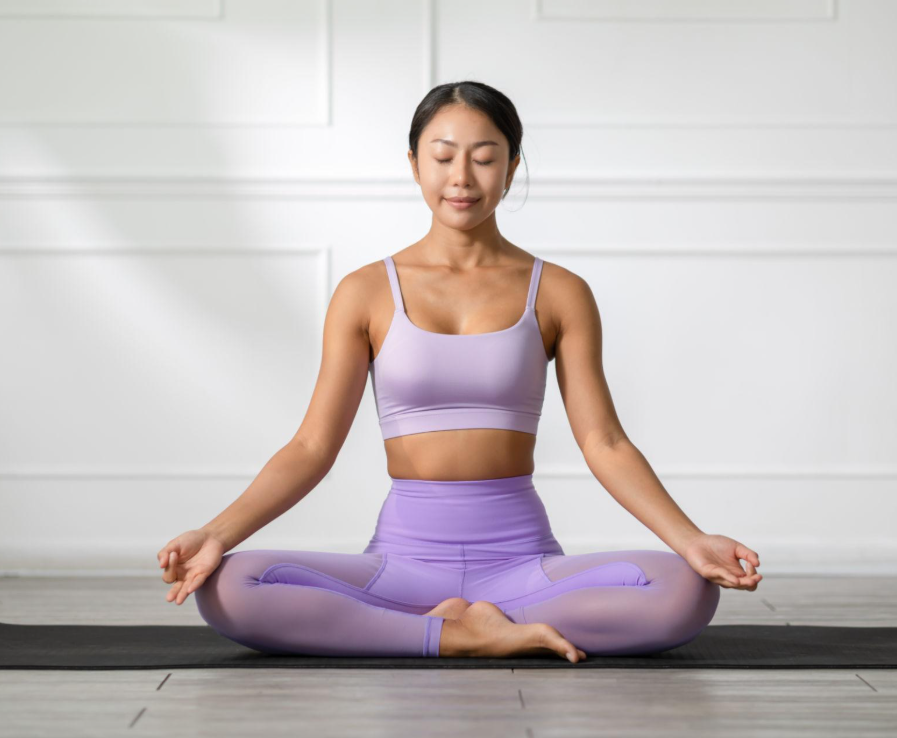
Meditation
Yoga learning and reflective practice
Yoga Philosophy
FOUR CONNECTED IDEAS

Building Blocks of Yoga Practice

Explore the essential elements of Yoga through Asana, Pranayama, Meditation and Philosophy.

01

Asana – Yoga Postures

Asanas are physical postures practiced with attention to body alignment, breathing and awareness. They form an important part of traditional Yoga practice.

1. Tadasana (Mountain Pose)

Step-by-Step Practice
  1. Stand upright with your feet comfortably placed and arms relaxed by your sides.
  2. Distribute your body weight evenly across both feet.
  3. Lengthen your spine and keep your shoulders relaxed.
  4. Breathe naturally, maintain a steady posture and then relax.

2. Vrikshasana (Tree Pose)

Step-by-Step Practice
  1. Stand straight and focus your eyes on a fixed point.
  2. Shift your body weight onto one foot, using a wall for support if needed.
  3. Place the other foot against the inner ankle or calf, avoiding pressure on the knee joint.
  4. Bring your palms together, breathe comfortably and repeat on the other side.

3. Bhujangasana (Cobra Pose)

Step-by-Step Practice
  1. Lie comfortably on your stomach with your legs extended.
  2. Place your palms beside your lower ribs and keep your elbows close to the body.
  3. Gently lift your chest using your back muscles, keeping the movement small and comfortable.
  4. Continue breathing naturally and slowly lower your chest back to the mat.

4. Balasana (Child's Pose)

Step-by-Step Practice
  1. Kneel on a comfortable yoga mat, provided kneeling is suitable for you.
  2. Move your hips gently toward your heels.
  3. Fold forward and rest your forehead on a cushion or mat, extending your arms or resting them alongside the body.
  4. Breathe naturally and return slowly to an upright position.
Practice within a comfortable range of movement. Stop if you experience pain or dizziness. Some postures require modification for injuries, pregnancy or existing health conditions.
02

Pranayama – Breathing Practice

Pranayama is an important discipline in Yoga that involves awareness and regulation of breathing. It encourages practitioners to observe the breath and develop a steady, attentive practice.

1. Anulom Vilom (Alternate Nostril Breathing)

Basic Practice
  1. Sit comfortably with your back upright and shoulders relaxed.
  2. Gently close the right nostril and inhale through the left nostril.
  3. Switch sides and exhale slowly through the right nostril.
  4. Inhale through the right nostril, switch sides and exhale through the left.
  5. Repeat gently for a few comfortable rounds without holding or forcing the breath.

2. Bhramari Pranayama (Humming Bee Breath)

Basic Practice
  1. Sit in a relaxed and comfortable posture.
  2. Close your eyes gently if comfortable.
  3. Inhale slowly through the nose.
  4. Exhale with a soft, steady humming sound.
  5. Repeat a few times while keeping the breathing natural and relaxed.

Importance of Pranayama

  • Encourages conscious observation of breathing.
  • Supports a structured approach to relaxation practices.
  • Develops attention toward breathing rhythm.
  • Forms an important part of traditional Yoga education.
Beginners should avoid prolonged breath retention or forceful breathing. Stop if breathing becomes uncomfortable, and seek appropriate professional guidance when needed.
03

Meditation – Dhyana

Meditation, known as Dhyana in Yoga, involves sustained attention and awareness. It is studied as a practice of observing the mind, developing concentration and cultivating a reflective attitude.

How to Practice Basic Meditation

Step-by-Step Practice
  1. Choose a quiet and comfortable place where interruptions are limited.
  2. Sit on a chair or cushion with your back comfortably upright.
  3. Relax your shoulders and gently close your eyes or lower your gaze.
  4. Observe your natural breathing without trying to control it.
  5. Whenever your attention wanders, gently return it to the breath.
  6. Begin with a short session of around five minutes and finish gradually.

Forms of Meditation

  • Breath Awareness: Observing the natural movement and rhythm of breathing.
  • Mantra Meditation: Repeating a selected sound or phrase as a focus of attention.
  • Mindfulness Meditation: Paying attention to present experiences without immediate judgment.
  • Guided Meditation: Following verbal instructions during a structured meditation session.

Role in Yoga Education

Meditation introduces students to techniques of attention, observation, self-reflection and disciplined practice. It also helps learners understand the relationship between Yoga philosophy and practical experience.

Meditation should be practiced comfortably without forcing concentration. Short guided sessions may be useful for beginners.
04

Yoga Philosophy – Darshana

Yoga Philosophy explores the principles, ethical teachings and traditional ideas associated with Yoga. Classical texts, particularly the Yoga Sutras attributed to Maharishi Patanjali, describe a systematic path of practice.

Ashtanga Yoga – Eight Limbs of Yoga

  1. Yama: Ethical restraints and principles guiding behavior toward others.
  2. Niyama: Personal observances associated with discipline and self-development.
  3. Asana: Posture and stability in practice.
  4. Pranayama: Regulation and awareness of breathing.
  5. Pratyahara: Withdrawal or regulation of attention from sensory distractions.
  6. Dharana: Concentration on a chosen object or point of attention.
  7. Dhyana: Sustained meditation and attentive awareness.
  8. Samadhi: A state of deep meditative absorption described in classical Yoga philosophy.

Five Yamas

  • Ahimsa – Non-violence
  • Satya – Truthfulness
  • Asteya – Non-stealing
  • Brahmacharya – Responsible conduct and self-restraint
  • Aparigraha – Non-possessiveness

Five Niyamas

  • Shaucha – Cleanliness or purity
  • Santosha – Contentment
  • Tapas – Discipline
  • Svadhyaya – Self-study and study of teachings
  • Ishvara Pranidhana – Devotion or dedication to a higher ideal
Yoga philosophy provides a broader educational foundation for understanding ethics, personal discipline, concentration and the traditional aims of Yoga.